Showing all 10 results
-

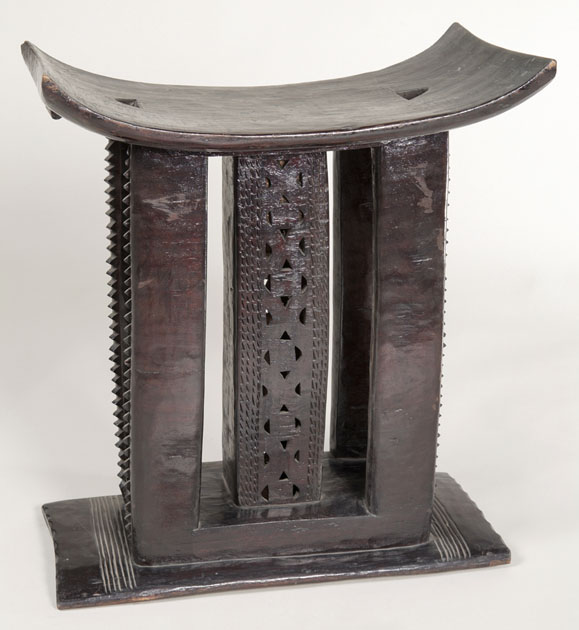
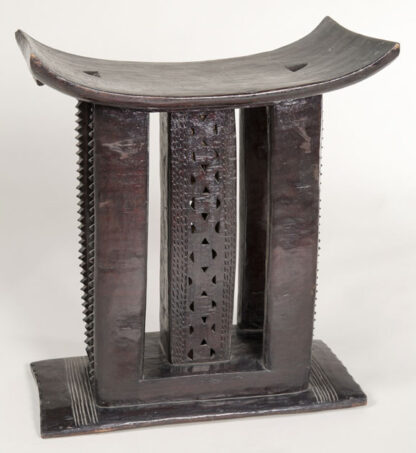
Asԑsԑgua
Quick ViewAsante/Fante stool, carved from one piece of wood and covered with black varnish, rectangular base with central support and 4 legs with curved rectangular seat, has triangles cut out of legs and decorated central support.
Read moreAsԑsԑgua
Asante/Fante stool, carved from one piece of wood and covered with black varnish, rectangular base with central support and 4 legs with curved rectangular seat, has triangles cut out of legs and decorated central support.

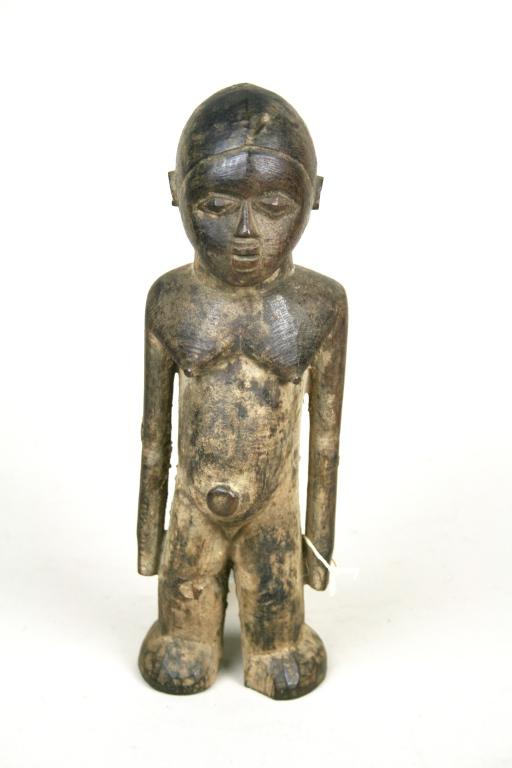
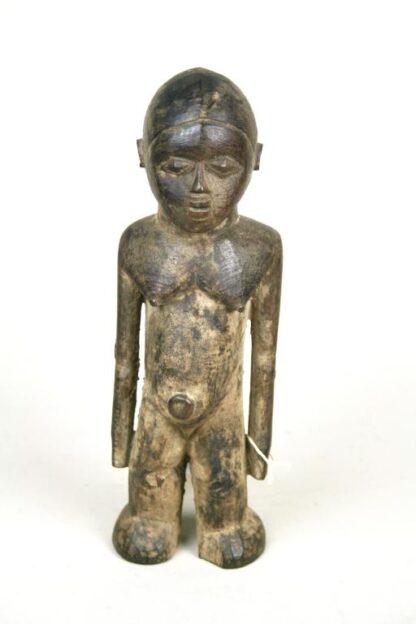
Bateba
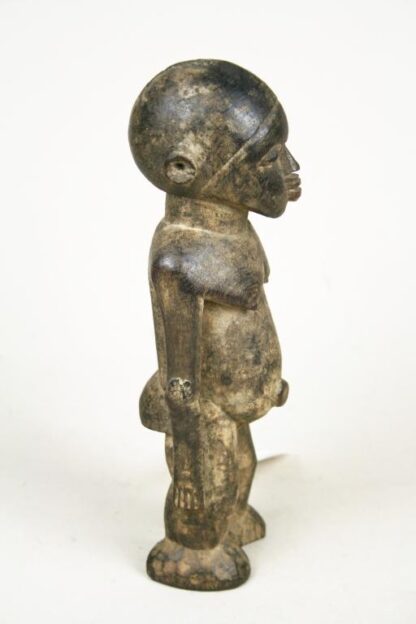
Quick ViewThis is an example of a Lobi shrine sculpture whose bold and stylized form evidently appealed to Hutchings, who found it “vigorous” and “interesting”. It is a female wooden figure carved by a local craftsman, measuring at 236 mm high, 76 mm wide and 71 mm in depth. The craftsman would often be approached to produce a Bateba for a specific purpose.
Read moreBateba
This is an example of a Lobi shrine sculpture whose bold and stylized form evidently appealed to Hutchings, who found it “vigorous” and “interesting”. It is a female wooden figure carved by a local craftsman, measuring at 236 mm high, 76 mm wide and 71 mm in depth. The craftsman would often be approached to produce a Bateba for a specific purpose.

Dondo
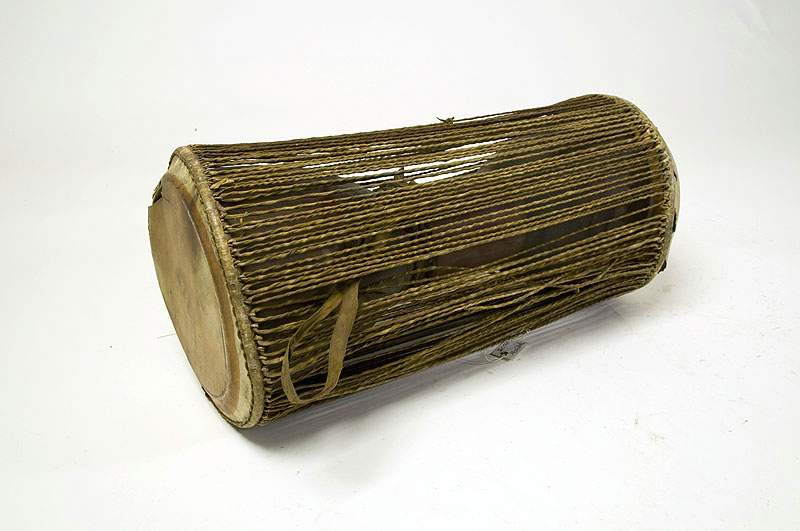
Quick ViewThis donno is an hourglass shaped wooden pressure drum with two leather surfaces. It has a height of forty four centimeters and a diameter of seventeen centimeters. It orginates from the people of Dagbon who are called Dagomba.
Read moreDondo
This donno is an hourglass shaped wooden pressure drum with two leather surfaces. It has a height of forty four centimeters and a diameter of seventeen centimeters. It orginates from the people of Dagbon who are called Dagomba.

Fãafãa
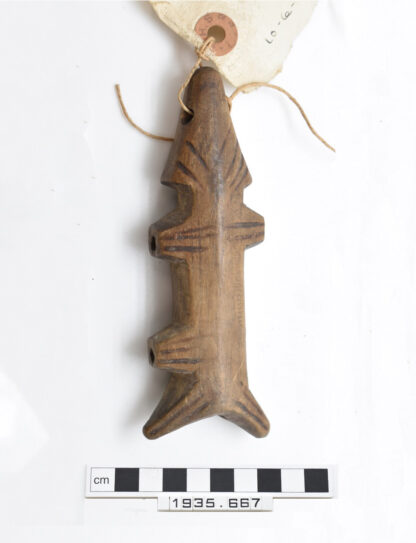
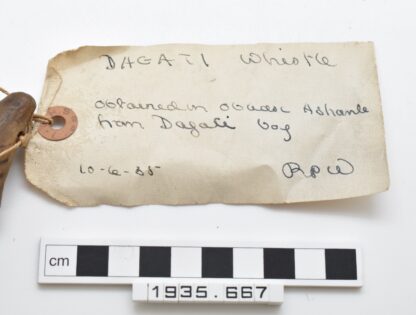
Quick ViewWooden whistle of soft whitewood in the shape of a fish. Burned details.
Context (Field collection)
Obtained in Obuasi. Ashanti, from a Dagao boy
Note in pencil on reverse of catalogue cardRead moreFãafãa
Wooden whistle of soft whitewood in the shape of a fish. Burned details.
Context (Field collection)
Obtained in Obuasi. Ashanti, from a Dagao boy
Note in pencil on reverse of catalogue card
Ipiedza
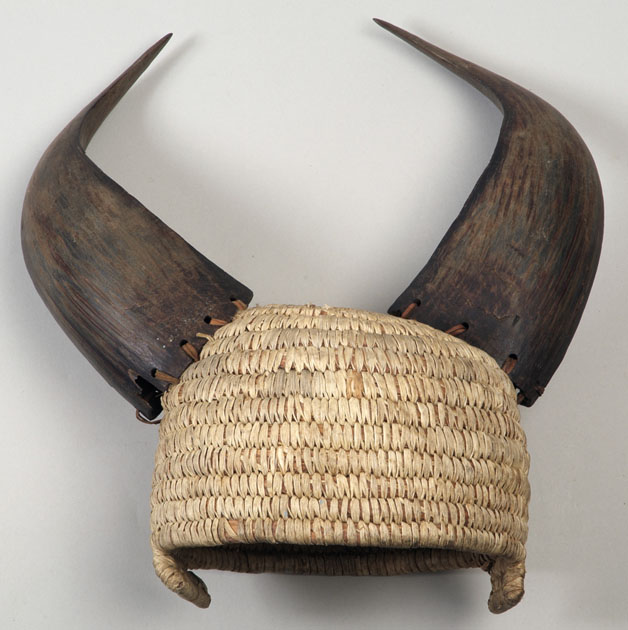
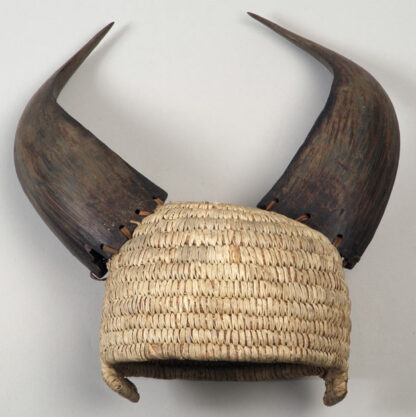
Quick ViewCoiled basketry dance/ war helmet with pair of cow horns attached to crown. Worn by young Konkombo men when they dance at weddings and funerals of senior men and women in their community.
Read moreIpiedza
Coiled basketry dance/ war helmet with pair of cow horns attached to crown. Worn by young Konkombo men when they dance at weddings and funerals of senior men and women in their community.

KukwƐi
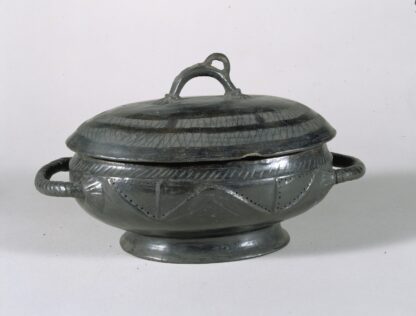
Quick ViewThis is a ceramic container called the KukwƐi of the Ga people, they are an ethnic group located in Ghana, Togo and Benin. It is an oval black earthenware footed tureen-like dish, with incised line and pierced hole decoration. Whilst the lid has a looped handle, it is a native soup tureen. Made in an Accra village called Korlibu one mile from Accra, Gold Coast.
Read moreKukwƐi
This is a ceramic container called the KukwƐi of the Ga people, they are an ethnic group located in Ghana, Togo and Benin. It is an oval black earthenware footed tureen-like dish, with incised line and pierced hole decoration. Whilst the lid has a looped handle, it is a native soup tureen. Made in an Accra village called Korlibu one mile from Accra, Gold Coast.

Pipe Bowl
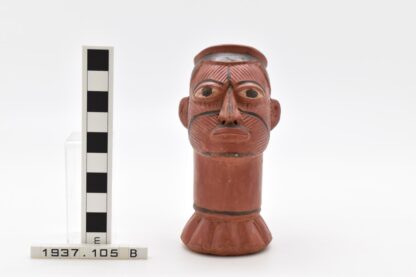
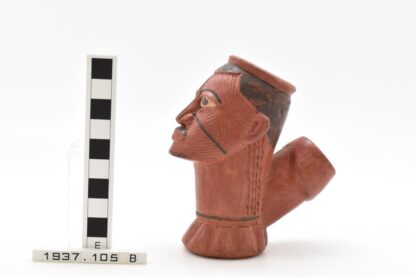
Quick ViewRed clay pipe bowl shaped like a male head with flared and flat base. Eyebrows, moustache and hair painted in black, eyes painted with white and black; one diagonal grooves over each cheek and vertical groove on forehead, all painted black; entire face incised with lines, likely indicating scarification; four indented or stamped lines from ear to neck on both sides.
Read morePipe Bowl
Red clay pipe bowl shaped like a male head with flared and flat base. Eyebrows, moustache and hair painted in black, eyes painted with white and black; one diagonal grooves over each cheek and vertical groove on forehead, all painted black; entire face incised with lines, likely indicating scarification; four indented or stamped lines from ear to neck on both sides.

Protection Charm Figure
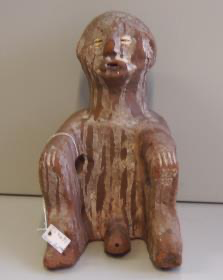
Quick ViewThis is the protection charm figure of the Ewe people. The figure would lay within a shrine amongst an array of additional figures and complimentary instruments. As such, the shrine is an enclosure or room that has been made to house artefacts that are used for religious activities.
Read moreProtection Charm Figure
This is the protection charm figure of the Ewe people. The figure would lay within a shrine amongst an array of additional figures and complimentary instruments. As such, the shrine is an enclosure or room that has been made to house artefacts that are used for religious activities.

Sword
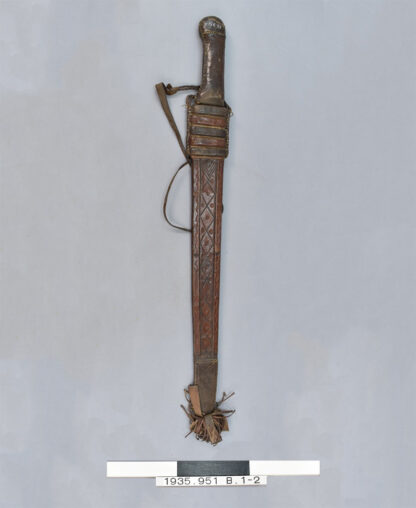
Quick ViewSword with a leather bound handle and leather sheath. Sheath is decorated with ridges of contrasting colours and abstract lined grooves. Terminates with a leather tassel. Leather cord attached to the top of the sheath.
Read moreSword
Sword with a leather bound handle and leather sheath. Sheath is decorated with ridges of contrasting colours and abstract lined grooves. Terminates with a leather tassel. Leather cord attached to the top of the sheath.
Worasa ti
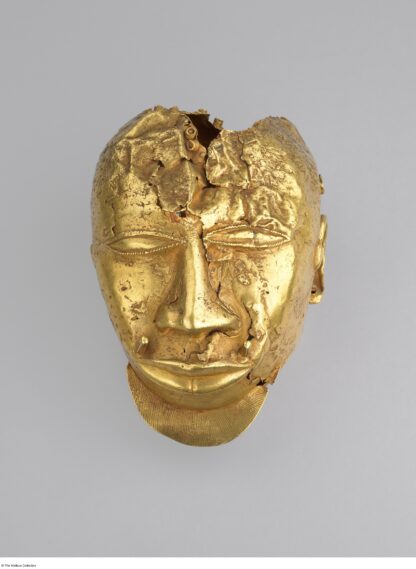
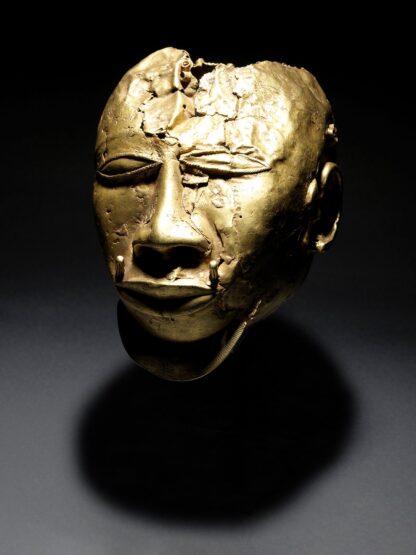
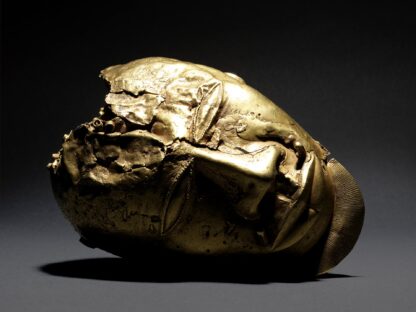
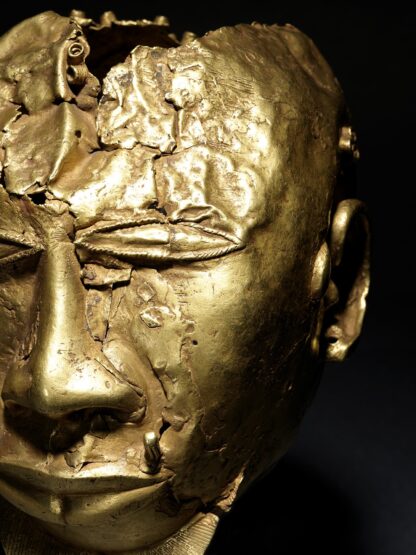
Quick ViewThis trophy head was made in the West African state of Ashanti, in present-day Ghana. The Ashanti people controlled extensive gold resources and were renowned for the items they made from this precious metal. The head is among the most important and famous works of Asante art. It probably depicts a defeated enemy from a different ethnic group.
Read moreWorasa ti
This trophy head was made in the West African state of Ashanti, in present-day Ghana. The Ashanti people controlled extensive gold resources and were renowned for the items they made from this precious metal. The head is among the most important and famous works of Asante art. It probably depicts a defeated enemy from a different ethnic group.